MAKING REPLICATIONS COUNT
Replications are the foundation of a healthy science, but they often go unnoticed. Making Replications Count is a UKRI-funded project that builds tools to make replication attempts visible where researchers search, read and cite, and studies when and why replications are overlooked.
Tools
All tools draw on FLoRA, FORRT’s open database of replication and reproduction attempts.
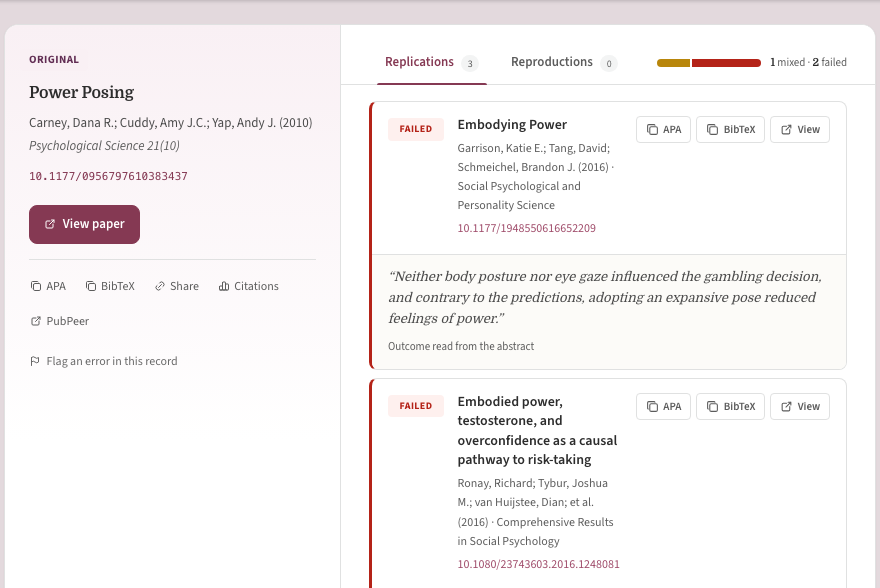
Replication Atlas
Check whether a study has been replicated. Search by DOI, title or author, or paste a whole reference list to check every cited study at once.
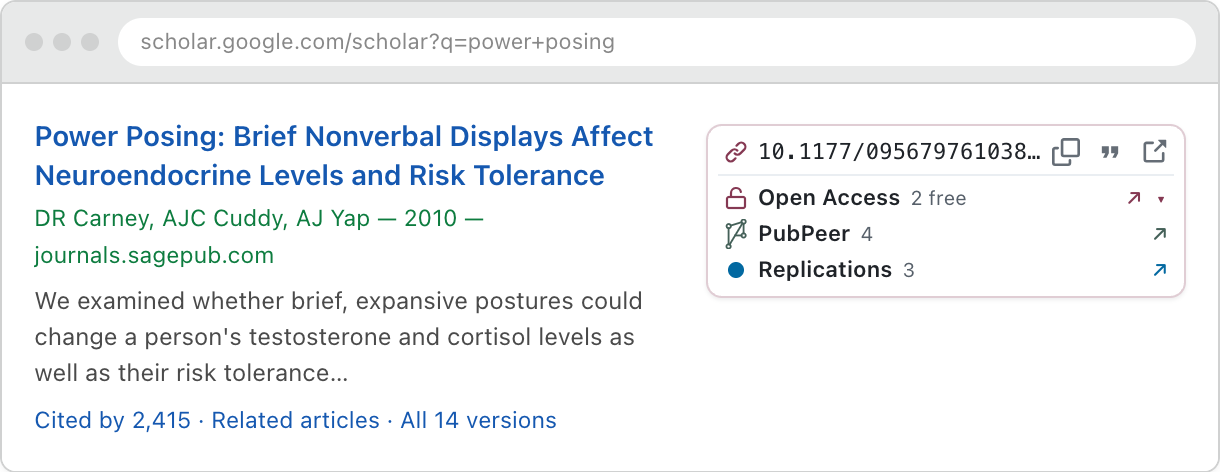
Browser extension: FORRT ORE
For Chrome and Edge. On article pages and in search results (e.g., Google Scholar, PubMed, OpenAlex) it shows replications, retractions, PubPeer discussions and open-access versions next to each paper.
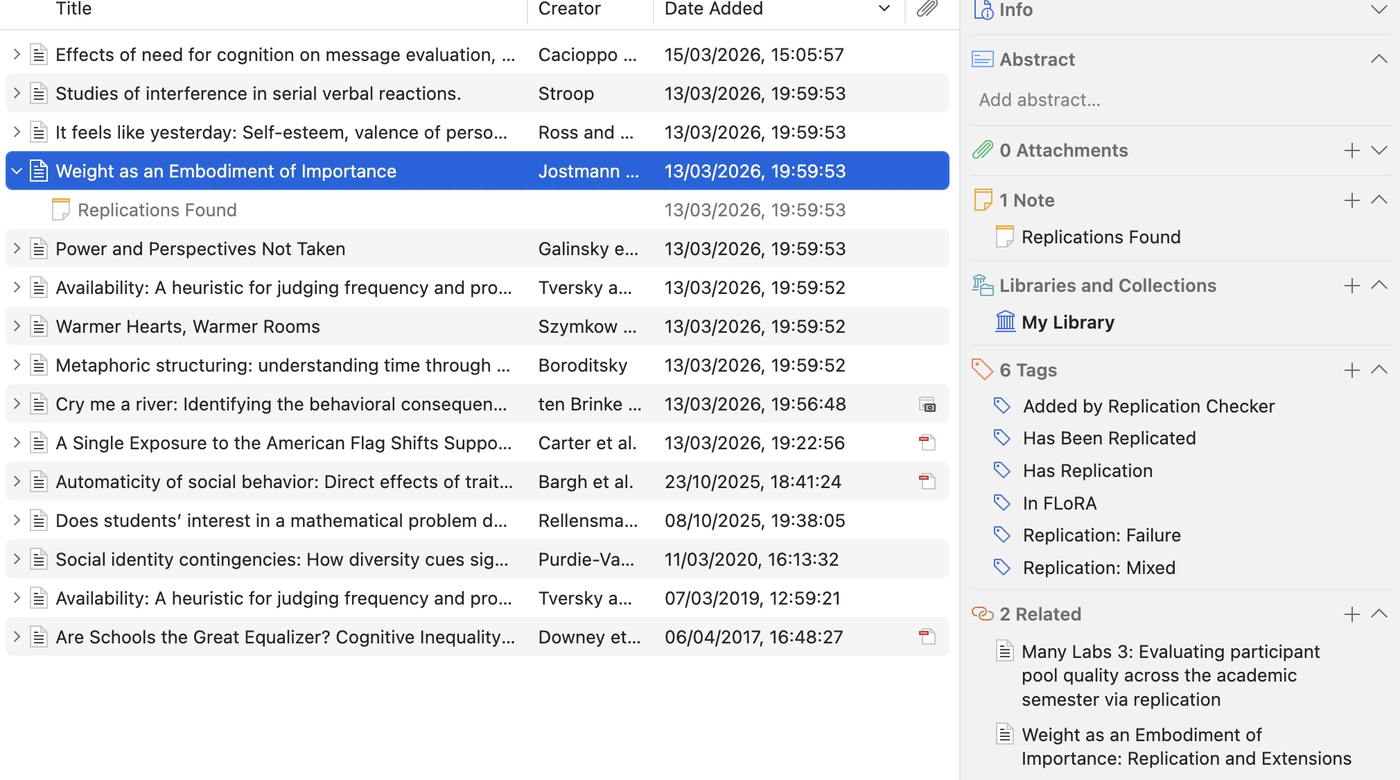
Replication Checker for Zotero
Scan your Zotero library for studies with known replications. The plug-in tags affected items, adds notes with the outcomes and can add the replications to your library. Your library contents stay on your machine.
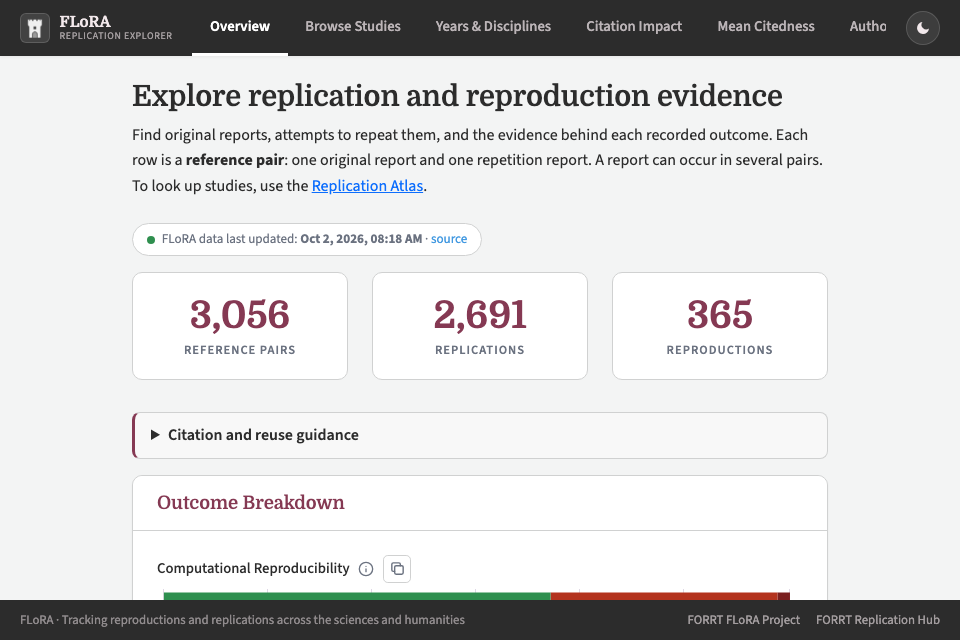
FLoRA Explorer
Explore the whole database: replication outcomes by year and discipline, and citation patterns of original studies after they were replicated.
Studies
Bibliometric study
How do failed replications affect the reception of the original studies?
Preregistration (When) Do Replications Influence the Impact of Original Claims? A Bibliometric Investigation
Preprint notifications (FLoRA Notify)
Are notifications about replications helpful for researchers?
Registered protocol FLoRA-Notify: A Protocol for a Cluster-Randomised Controlled Trial to Assess the Impact of Notifying Preprint Authors About Replication Studies
Mixed-methods study
How do researchers decide which studies to read and cite?
Preregistration When Replication Meets Practice: A qualitative study of how researchers search for, integrate and anticipate pushback on replication evidence (qualitative part)
Overview paper: Tracking and mainstreaming replications in the social, cognitive, and behavioral sciences (MetaArXiv preprint).
Who we are







Advisory board



Hackathons
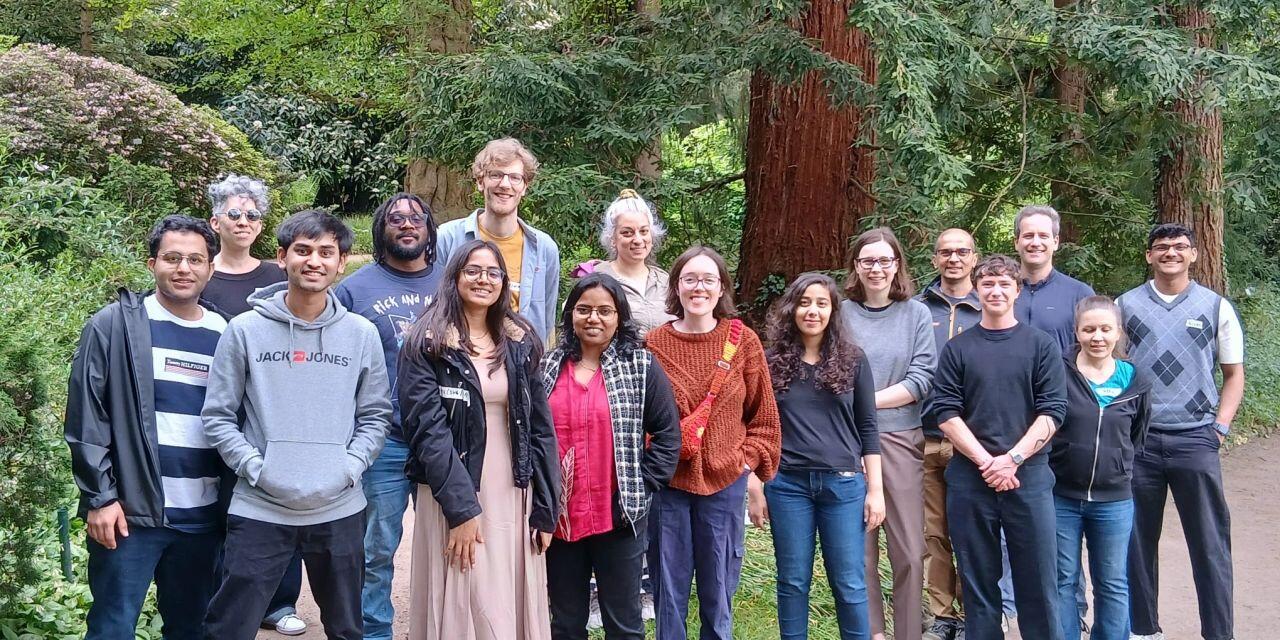
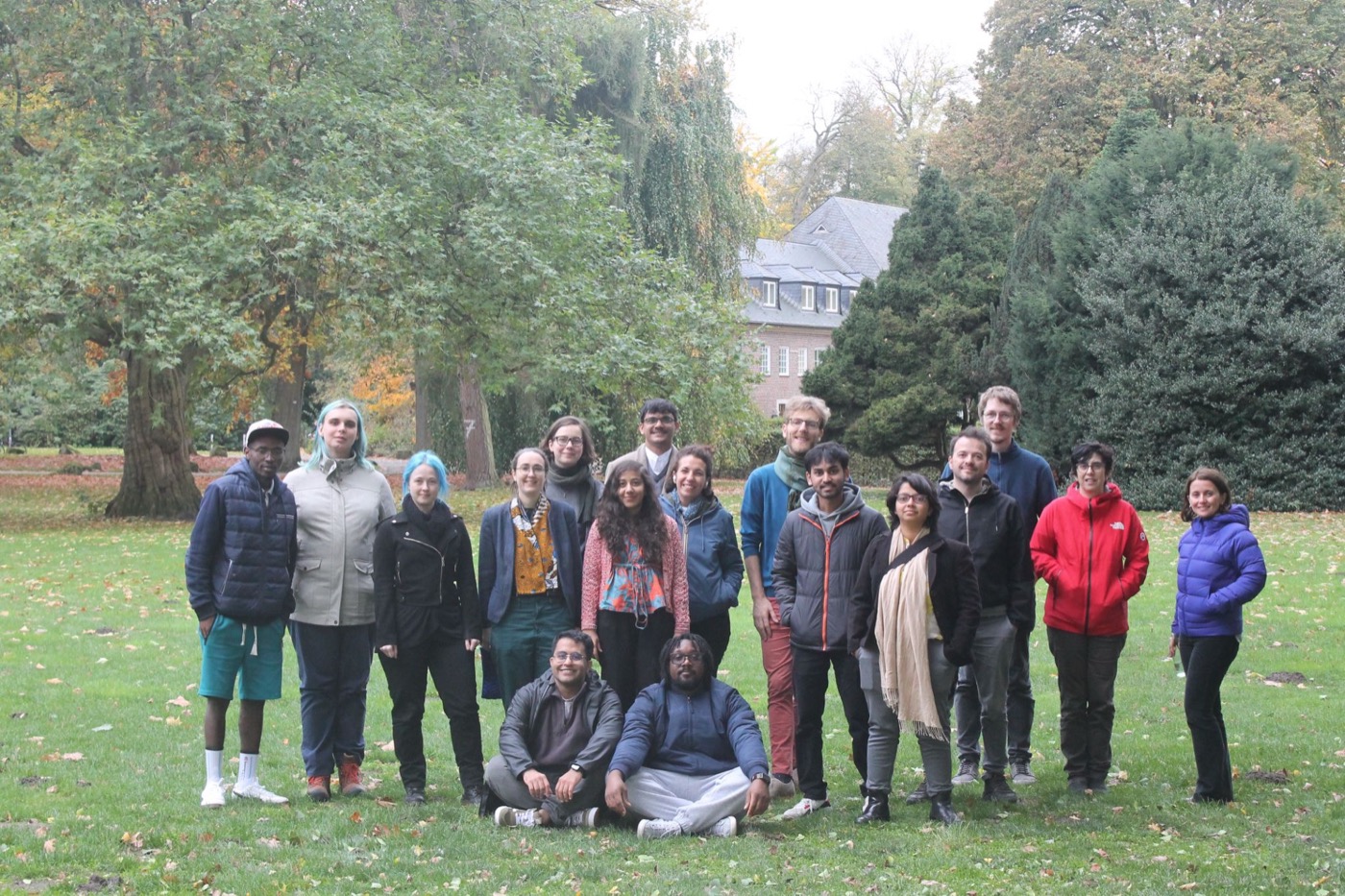
We run hackathons at the Münster Center for Open Science, where researchers and developers build tools on FLoRA. Read more in Did you know this study was replicated? on the Research on Research Institute blog.
Partners




Funded by